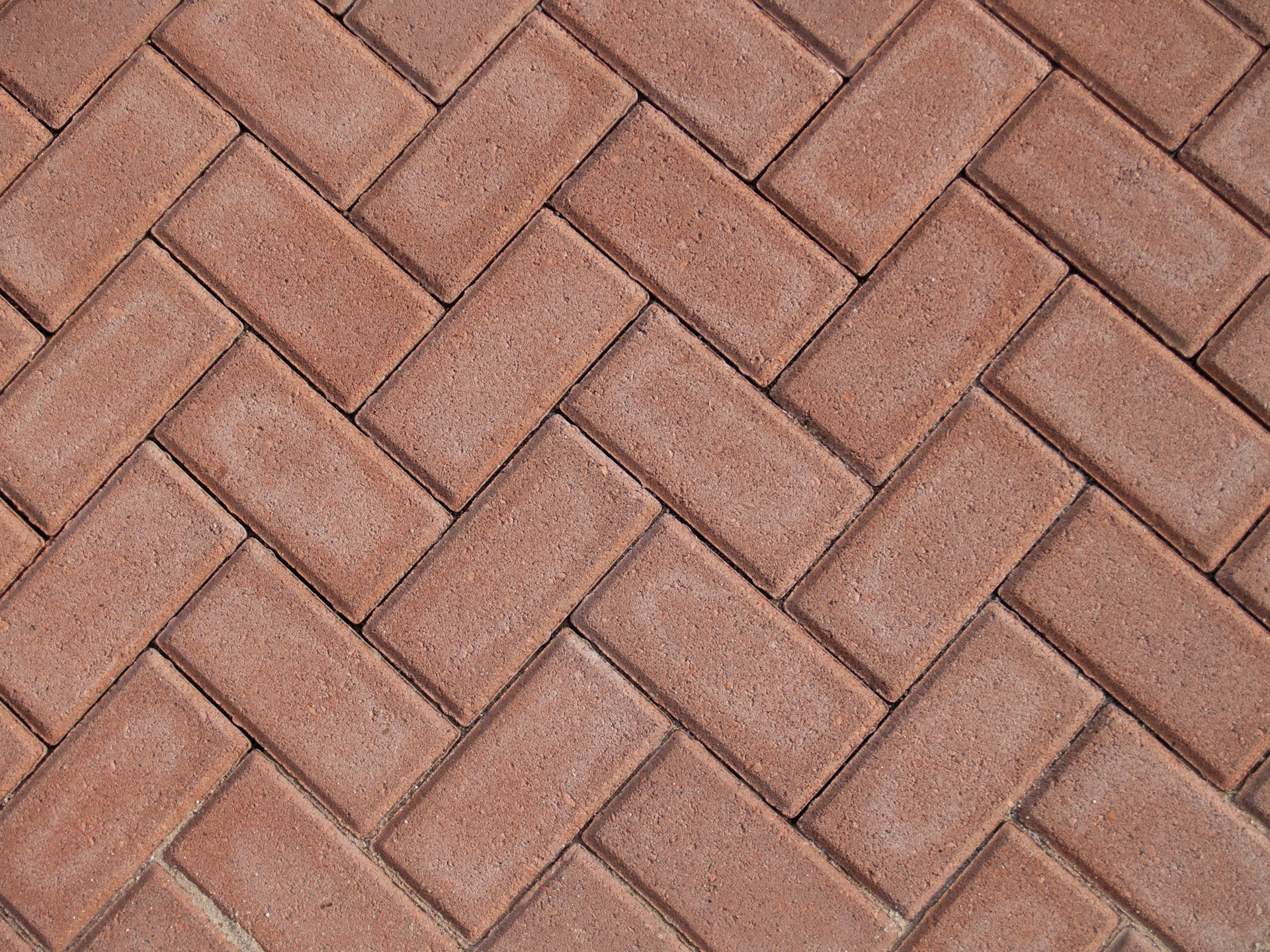
For most Central Florida homeowners, pavers hold up better than poured concrete over time. Concrete is faster and often less expensive to install upfront, but it tends to crack under the region's heat swings and heavy rain, and once it cracks, repair usually means replacing a whole slab rather than a single piece. Pavers are installed as individual units, which makes them more forgiving of ground movement and far easier to repair when something does go wrong.
How each holds up to Florida heat, humidity, and heavy rain
Central Florida puts a patio surface through a lot: intense summer heat, sudden downpours, and humidity that never fully lets up. Poured concrete is a single continuous slab, so it expands and contracts as a whole. Over time, that movement is what leads to the visible cracks so many concrete patios eventually develop. Pavers move independently of one another, which lets the surface absorb small shifts in the ground without cracking the way a solid slab does.
Drainage matters just as much as the material itself. A well-installed paver patio allows water to move between the joints rather than pooling on top, which helps during the region's frequent heavy rain.
Cracking, shifting, and long-term durability
Shifting is the main long-term concern with pavers, usually from ground settling or poor base preparation. It's also one of the easier problems to fix, since a shifted paver can typically be lifted, reset, and replaced without disturbing the surrounding patio. Concrete doesn't offer that same flexibility. A crack in one section of a slab is a crack in the whole slab, and patching rarely blends in seamlessly with the surrounding surface.
Maintenance and repair differences
Routine maintenance looks different for each material. Pavers benefit from occasional resealing to protect their color and surface from wear, along with keeping the joints free of weeds. Concrete generally needs less routine attention, but repairs are more disruptive when they're needed, since there's no way to replace just the damaged section.
Cost-effectiveness considerations
Poured concrete is often the lower upfront cost of the two, but pavers tend to offer better long-term value because of how much easier they are to repair individually. The right choice usually comes down to how a homeowner weighs installation cost against the cost and disruption of future repairs, which is worth discussing directly with a contractor who installs both.
Sealing pavers: how long a seal holds up in Florida weather
Sealing is what protects pavers from Florida's UV exposure, staining, and weed growth between joints, and it plays a large part in how long a paver patio keeps its original look. A properly applied seal creates a barrier that repels water, oil, and stains, which makes ongoing cleaning considerably easier. Most sealed surfaces need to be resealed periodically to keep that protection intact, rather than as a one-time treatment.
Frequently asked questions
Which lasts longer in Florida, pavers or concrete?
Pavers generally last longer in Central Florida's climate because they handle ground movement and heavy rain better than a single poured slab, and they're easier to repair section by section when an issue does come up.
How long do sealed pavers last?
A sealed paver surface holds its protection for a period of time before it needs to be reapplied, since sun exposure and weather gradually wear the seal down. Resealing on a regular schedule is what keeps pavers looking new rather than weathered.
Planning a new patio?
Renovation Outdoors installs and seals paver and concrete patios across Central Florida, and can walk through which option fits a specific property and budget. For homeowners also considering garden bed borders, see our related guide to garden bed edging options for a look at another way pavers and decorative curbing can work together.


.png)